



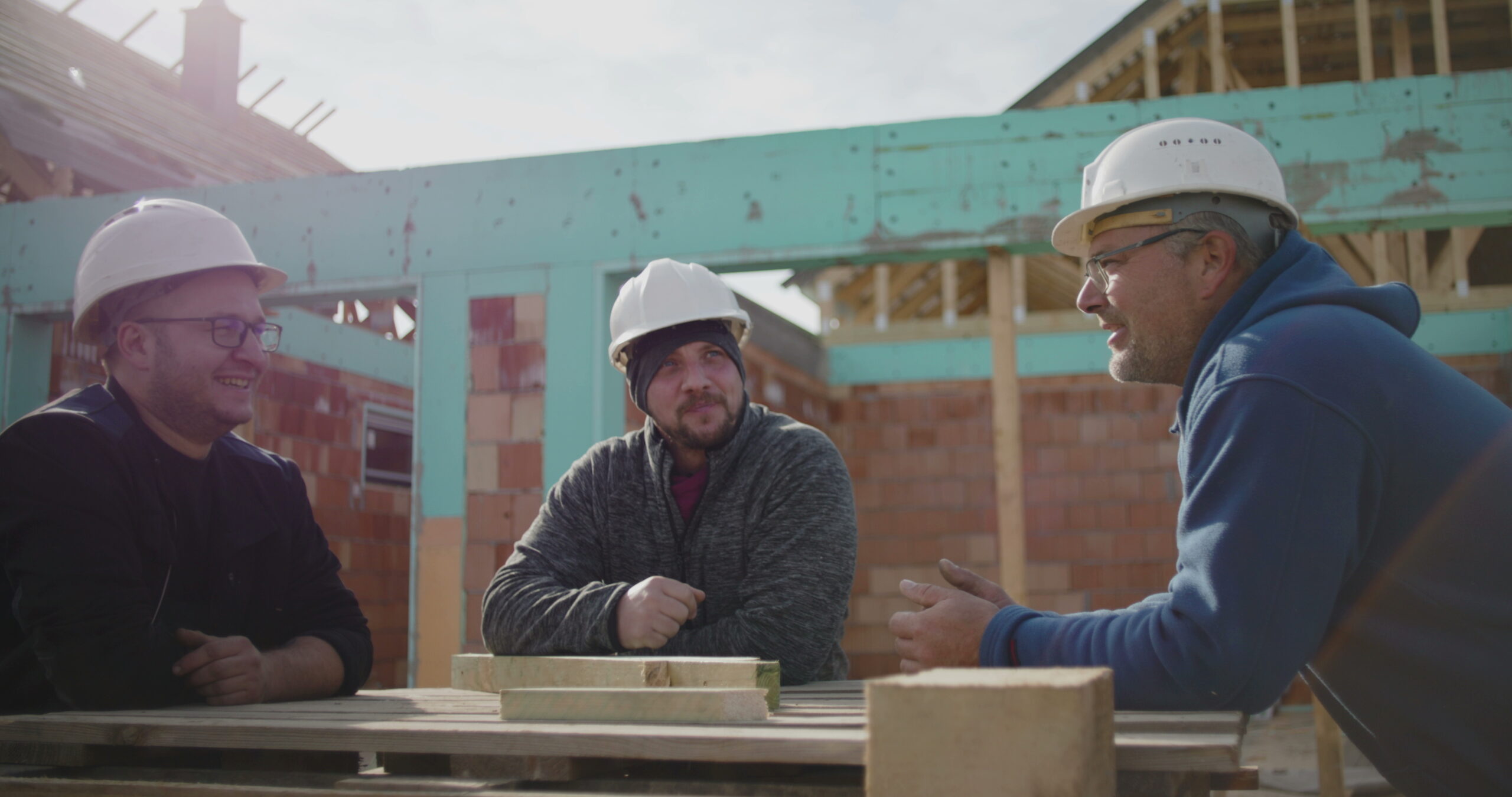
Most builders, at some point, start thinking about developing their own projects. It makes sense. You know how to manage trades, control costs, and get the job done. Why keep building for other people’s profits when you could be creating your own?
It’s a smart ambition, but one that’s often oversimplified. Becoming a developer is often seen as the next step up the ladder, but it’s a completely different game.
Why Builders Have an Advantage
Builders are already comfortable with the hardest part of property development: construction risk. You know how to read a site, plan a schedule, and solve problems when things go wrong. You understand how costs move, how weather or design changes can derail timelines, and how to get a project finished on time.
That practical knowledge is gold. It means you can see what’s feasible long before anyone else. It also helps when you’re dealing with lenders or investors, because you have something most people don’t: a track record. They know you can deliver.
Builders also tend to be good with detail. You know when something doesn’t add up and you’re used to making things work in the real world. Those instincts serve you well as a developer, where everything from soil conditions to sale prices can make or break a deal.
Why It’s Not Always Straightforward
Where most builders get caught out is in the financial side of development. Building is about progress payments, cash flow, and finishing on time. Development is about patience, financing, and risk management.
You might wait years before you see a return. You’ll be dealing with consultants, approvals, valuation reports, and lenders instead of just plans and site meetings. And you’ll be taking on exposure to the property market itself. When the market moves against you, it can wipe out your margin overnight.
That’s why the jump from builder to developer needs to be planned, not emotional. The skills overlap, but the mindset doesn’t. As a builder, you get paid to manage risk. As a developer, you get paid for taking it.
The Myths That Get Around
Myth 1: You need millions to start.
Not true. Many builder-developers start small, doing a duplex or a simple subdivision. The key is understanding feasibility and partnering well, not throwing everything you have at the first deal.
Myth 2: You have to stop building.
Plenty of successful builder-developers keep both sides of the business running. Building keeps the cash flowing while development builds long-term wealth.
Myth 3: Development is easy money.
It isn’t. Every profit hides a hundred potential problems. Council delays, rising material costs, design changes, interest rate moves all eat away at your return. Development rewards discipline, not luck.
When It’s the Right Move
If you’re a builder who enjoys problem-solving, has an appetite for learning, and can handle delayed gratification, development can be life-changing. You’ll have more control, more upside, and the chance to shape your own projects.
But if you’re not ready to manage debt, deal with red tape, or handle the stress of market cycles, it’s better to wait. There’s no shame in perfecting your building business before expanding into development.
In the End
The smartest builder-developers treat the shift like any good build: they plan it carefully, start small, and learn fast. They surround themselves with good advisors and make sure the numbers work before the first bit of soil is turned.
It’s about control, capital, and timing. If you get those three right, the move from builder to developer can be the best decision you ever make.
We’ve been helping builders make the move to developments for 30 years. To learn more please call 1800 999 109 or email lending@gpsdf.com.au.


Comments are closed.